
The number of individuals in extreme poverty continues to fall and the middle-income population continues to grow worldwide.
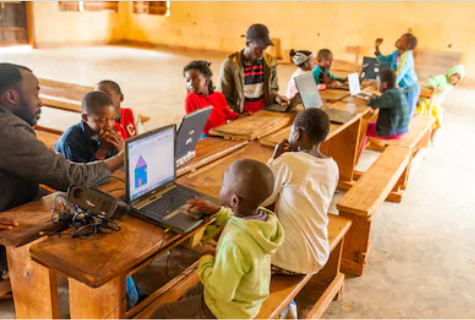
Access to the internet brings information, and information brings knowledge. Knowledge is the primary tool for a human being to break free from poverty.
Google, YouTube videos, social media — all act as agents of transformation.
And, with the growing trend of affordable broadband internet access and free AI-powered tools available in the cloud, this transformation is set to accelerate.
Agents working in the field of education, such as teachers and school administrators, will also have their impact amplified by access to broadband and low-cost artificial intelligence.
Non-corrupt governments will be able to use these tools to increase management efficiency, improve decision-making, and enhance services for the population.
Low-income populations will also see an impact on their health, as AI and new medical diagnostic devices are expected to drive healthcare costs sharply down.
Everyday goods and services such as finance, insurance, and entertainment are being digitized and demonetized, and will be made available to anyone with access to mobile devices connected to the internet. And billions of new human beings will be online this decade.
This represents, on one hand, an ocean of opportunities for companies, startups, and individual entrepreneurs, and on the other, a unique opportunity for people to improve their quality of life.
Online applications, managed by AI, will have very low costs and can be offered to these new billions of consumers who will, for the first time in their lives, be in a position to use them.
Companies will need to have their radar on 360 degrees to identify opportunities, understand them, and seize them — and those who fail to tune in will miss their chance to be part of this historic moment.
