
























How to use interactive media to create more engaging events
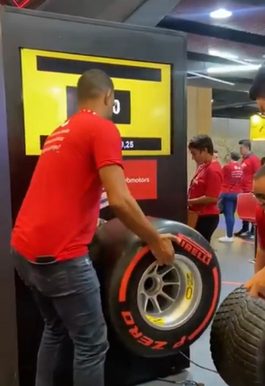
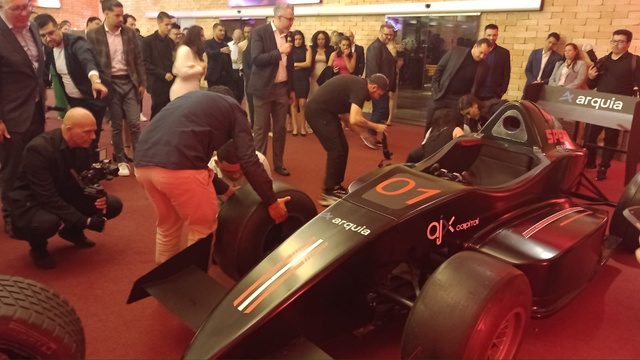
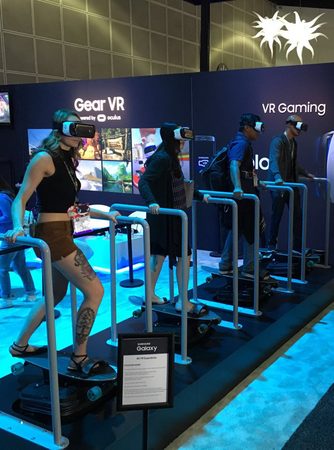
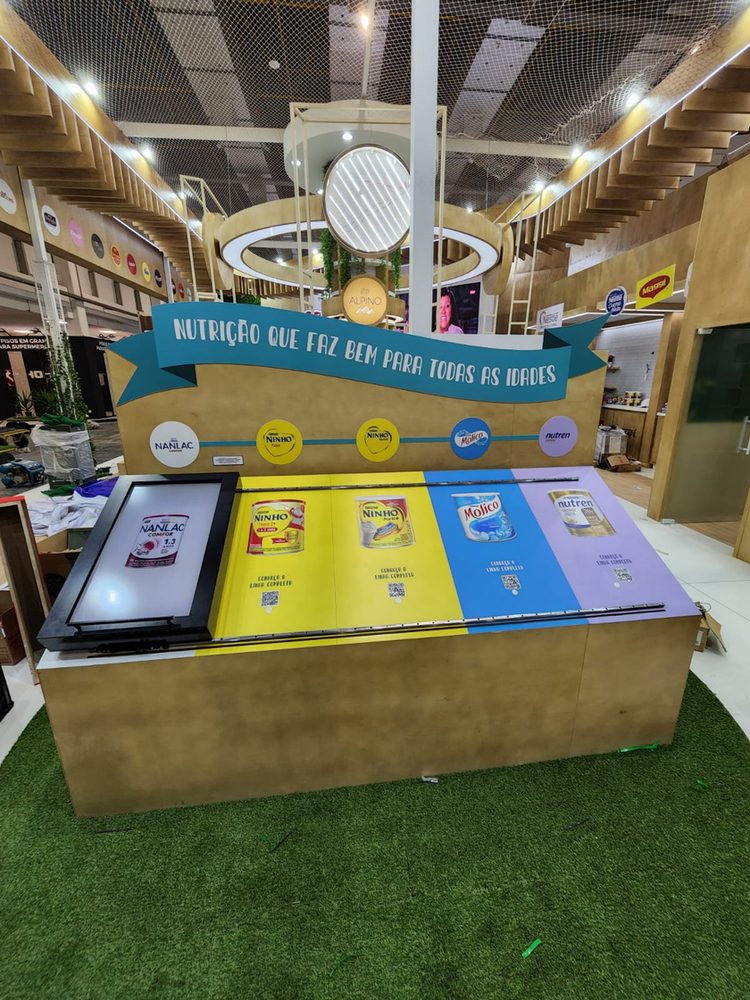
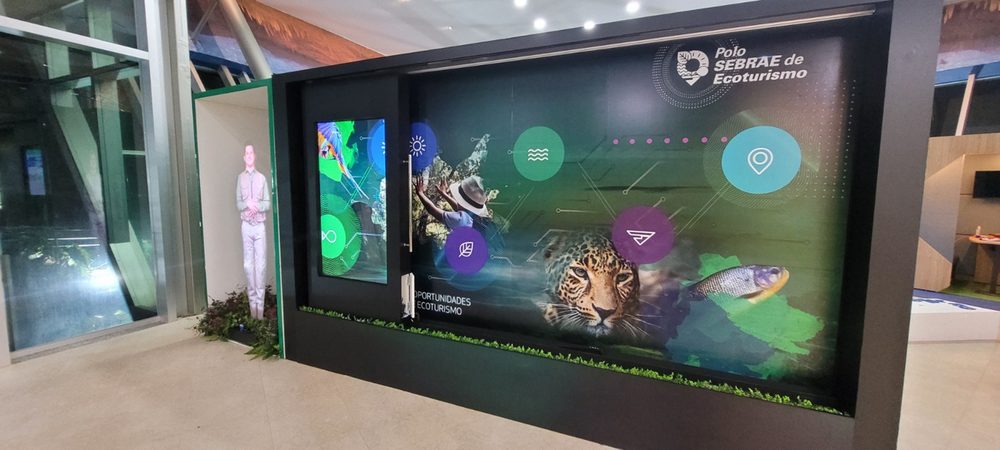
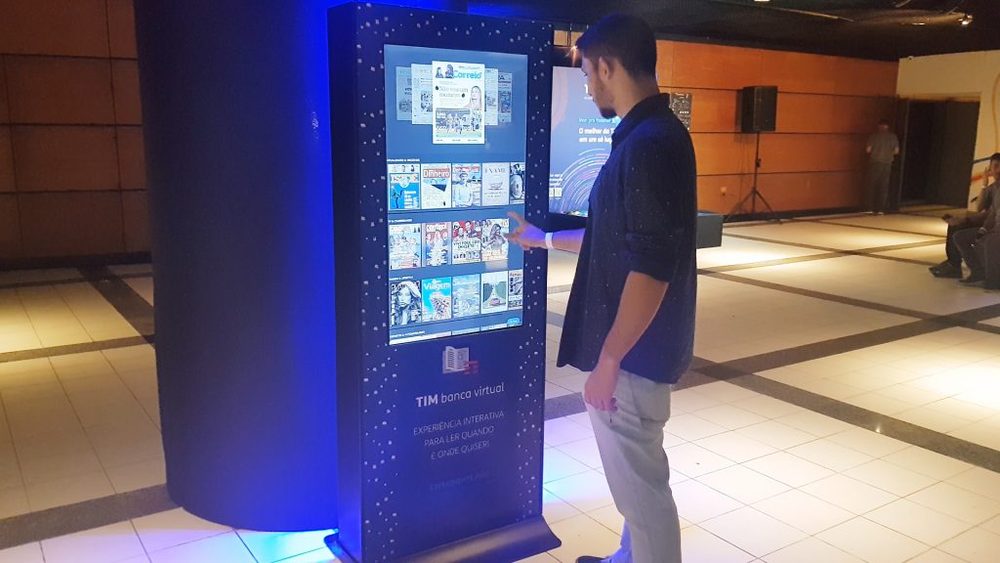
Interactive media transforms the audience from passive spectators into active participants in the experience. Instead of simply observing a screen, a product, or a presentation, visitors can touch, play, explore environments, answer questions, produce content, and interact directly with the brand.
This participation helps make the event more dynamic and creates opportunities to bring companies and people closer together. A well-planned experience can spark curiosity, increase dwell time at the booth, facilitate the presentation of information, and generate lasting impressions that endure even after the event has ended.
However, deploying technology merely because it is modern is not enough. To produce results, the attraction must be aligned with the audience profile, the available space, and the objective of the initiative. It is this combination of creativity, strategy, and technology that transforms a digital installation into a meaningful experience.
What is interactive media?
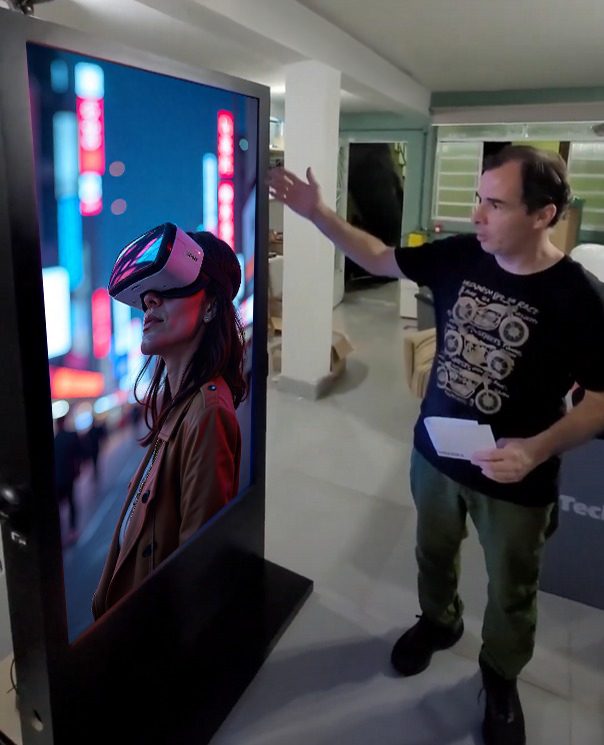
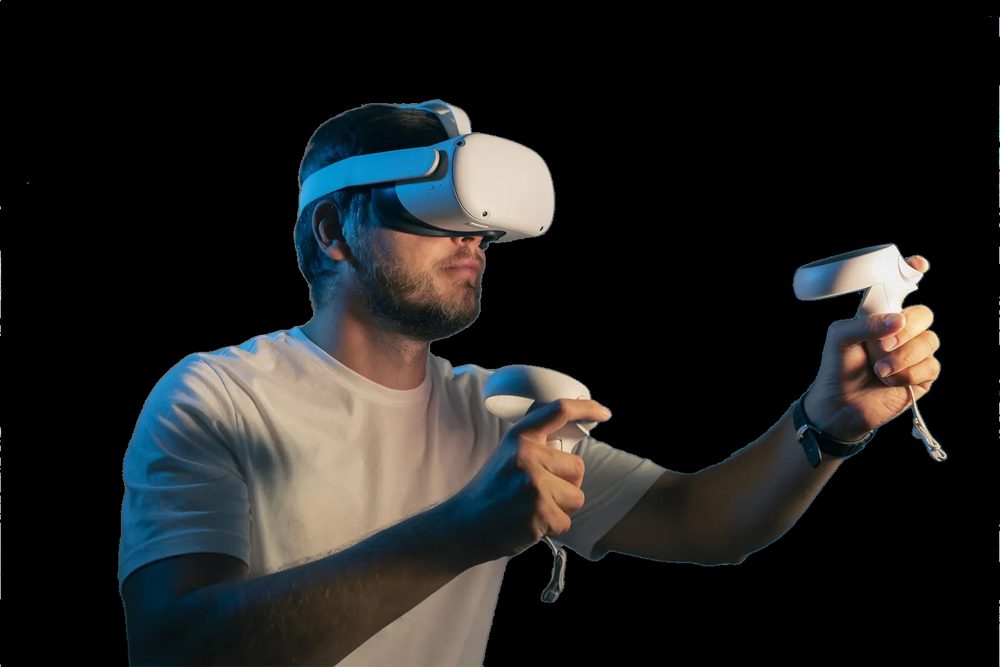
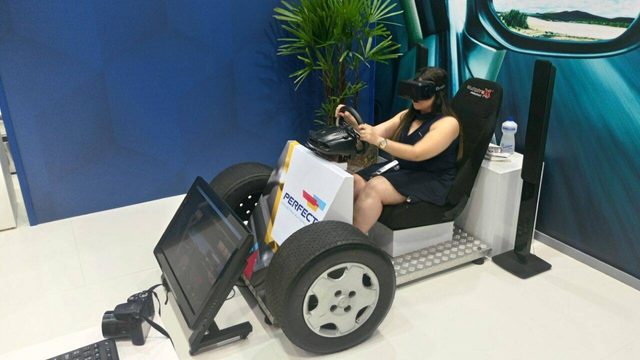
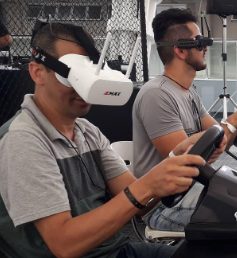
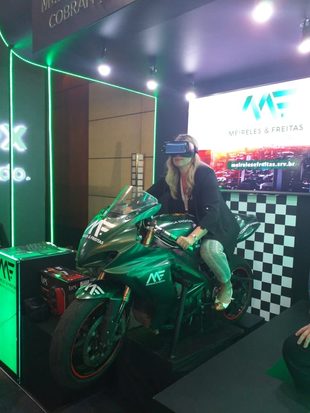
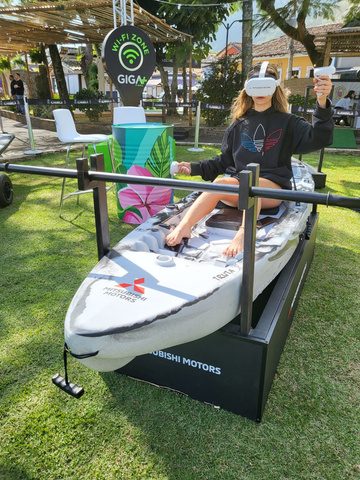
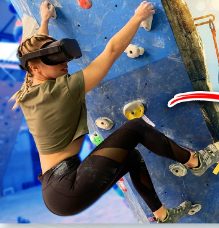
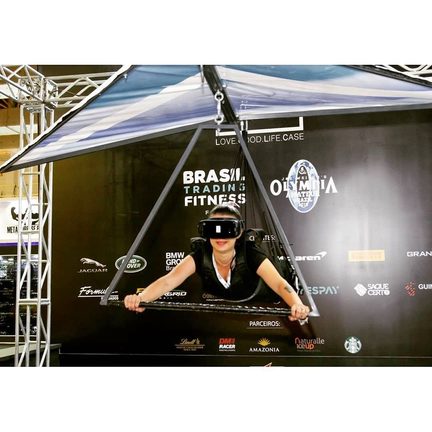
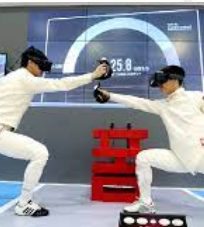
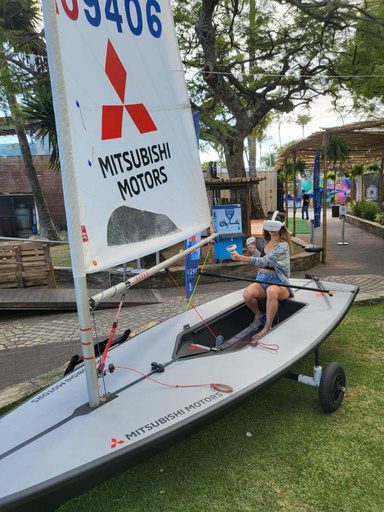
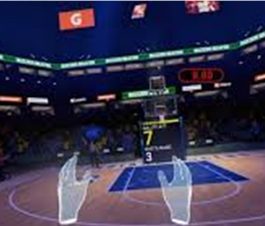
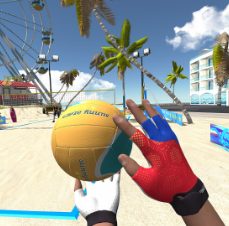
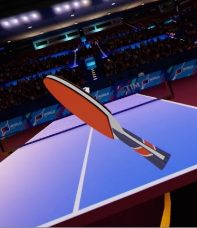
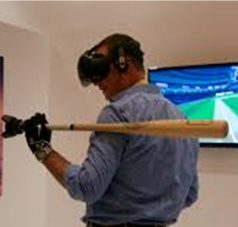
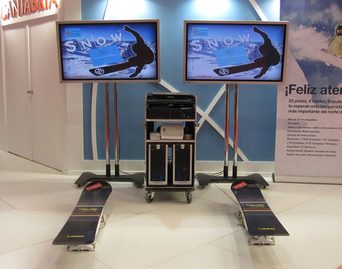
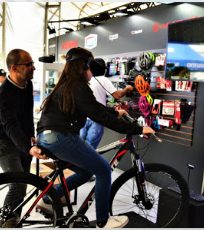
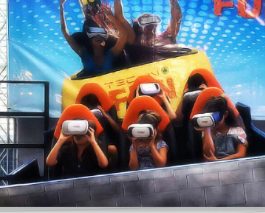
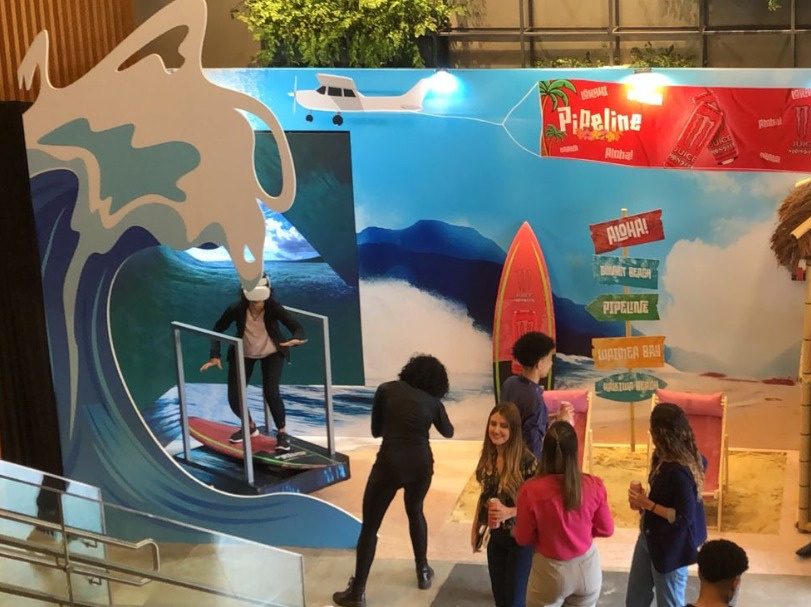
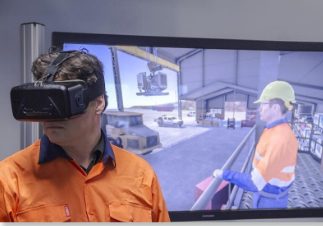
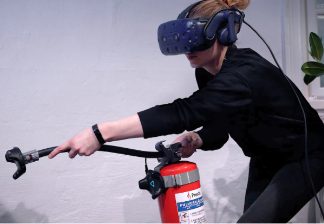
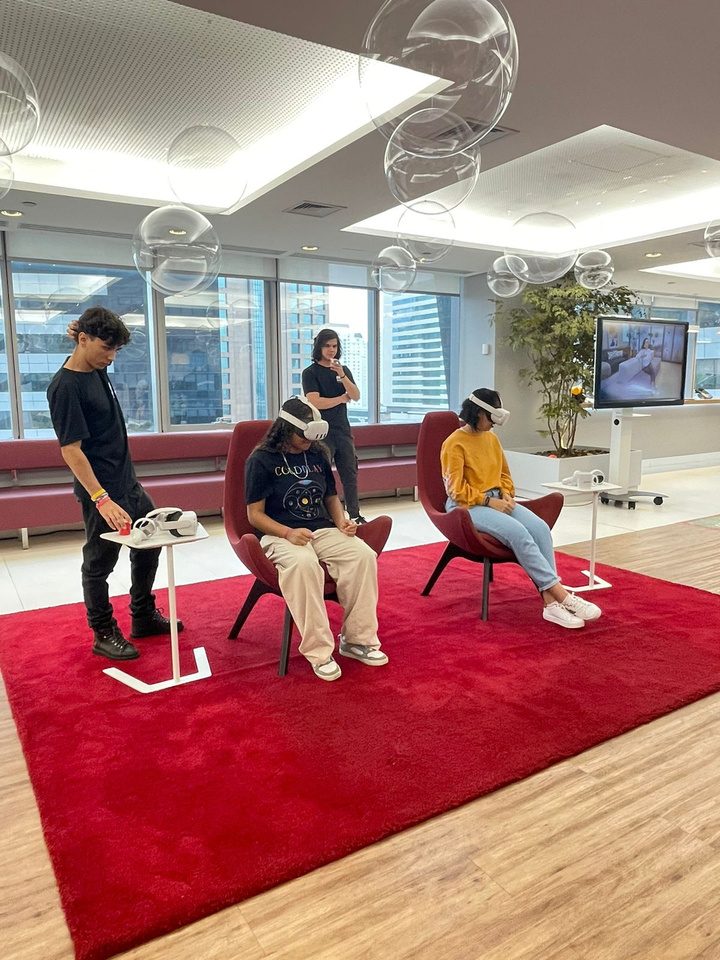
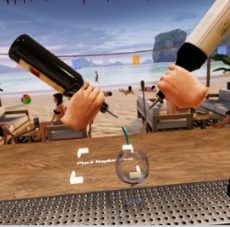
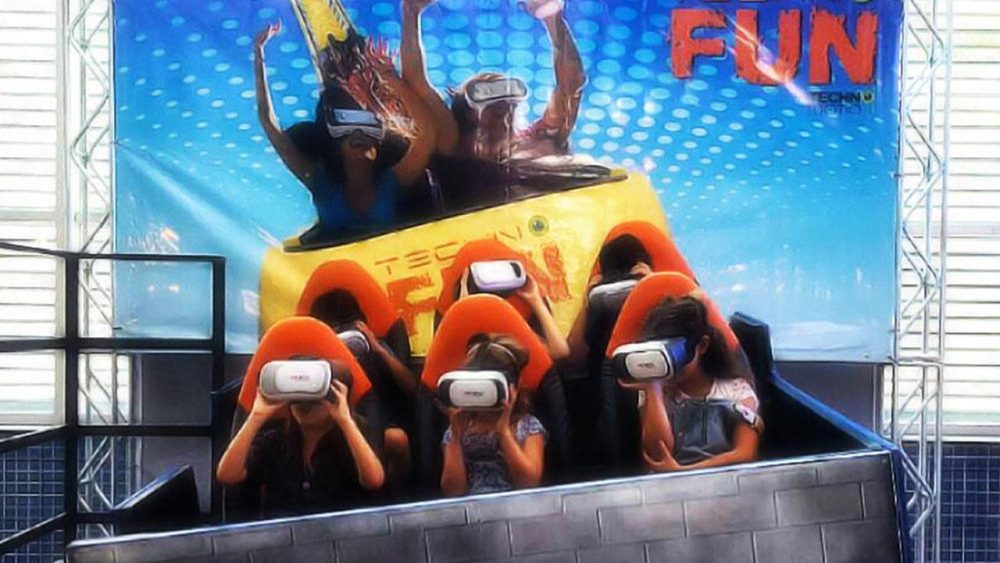
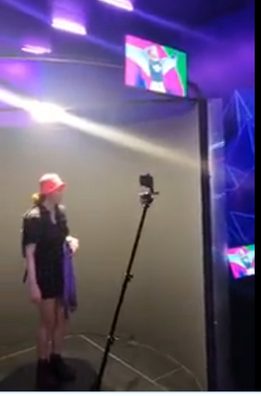
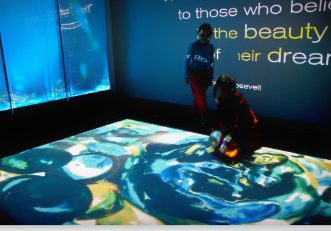
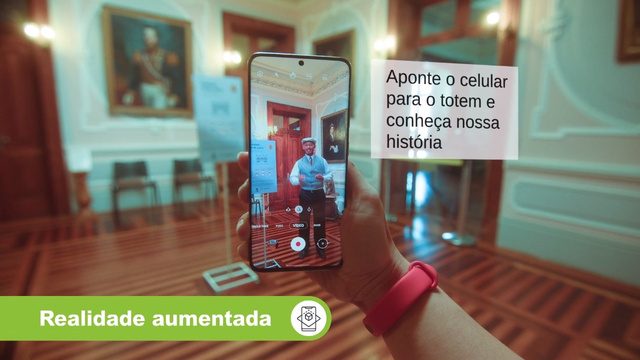
Interactive media are technological resources that respond to user actions. This interaction can occur through touch, body movements, voice commands, sensors, cameras, QR codes, physical objects, smartphones, virtual reality headsets, or other devices.
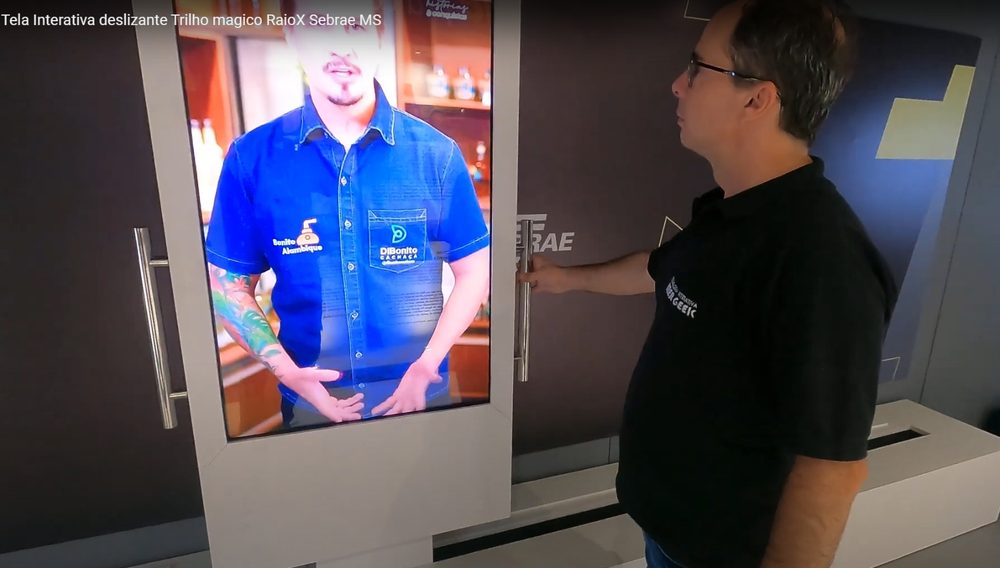
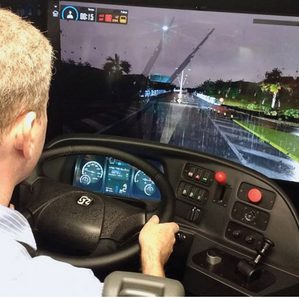
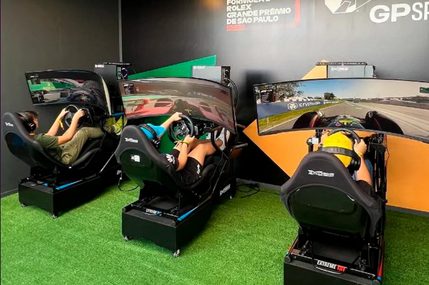
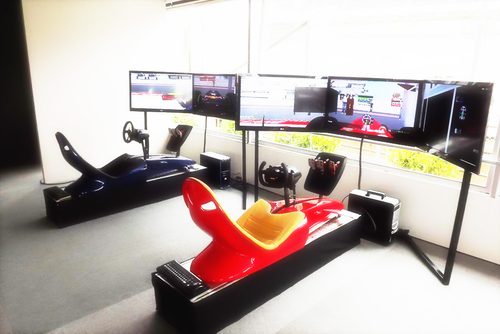
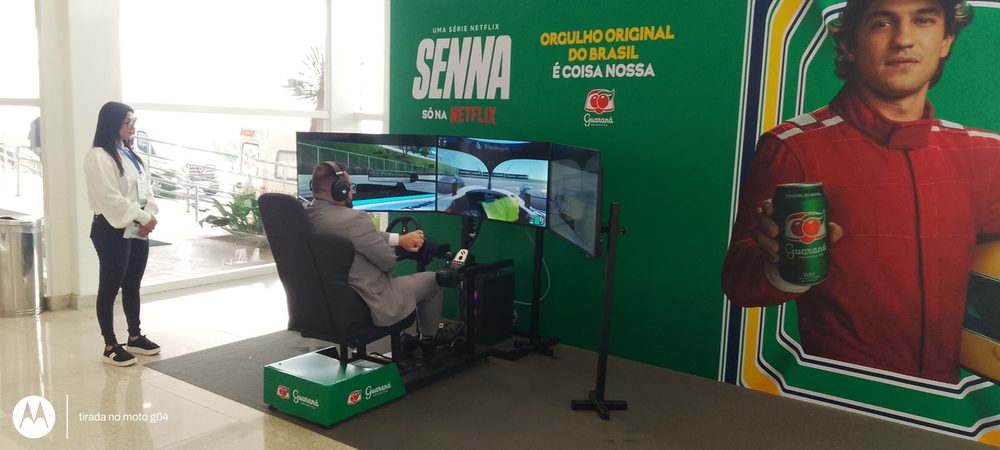
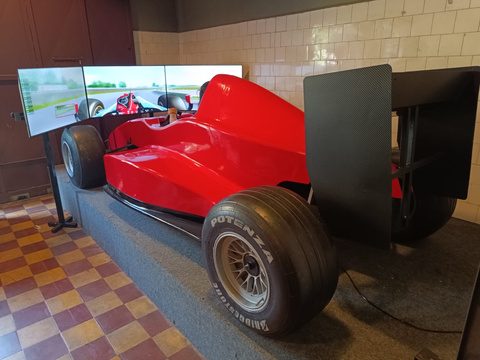
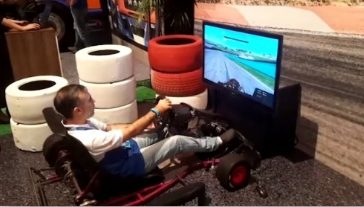
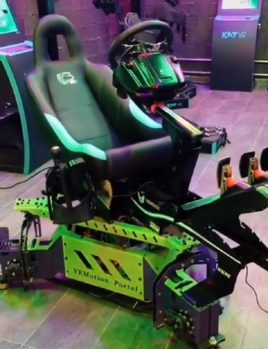
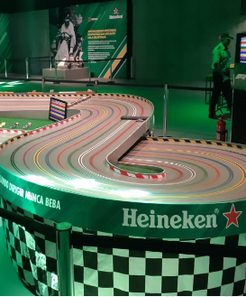
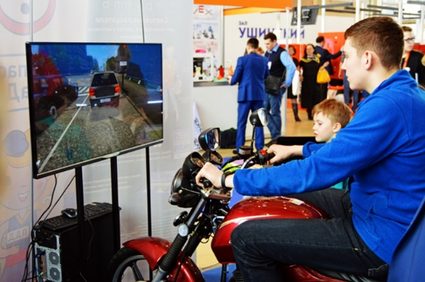
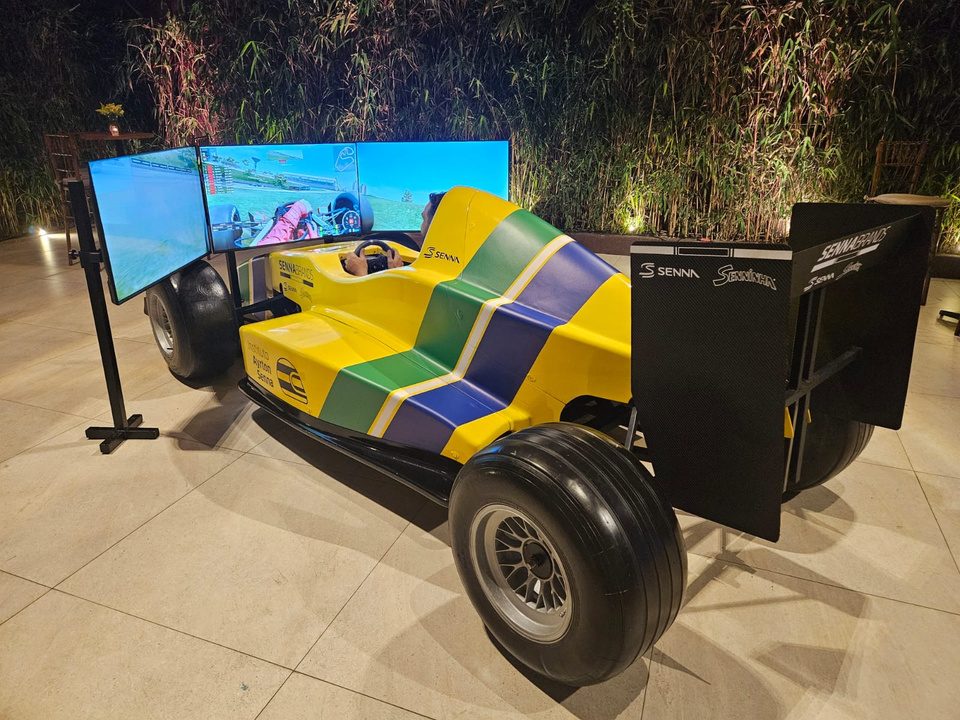
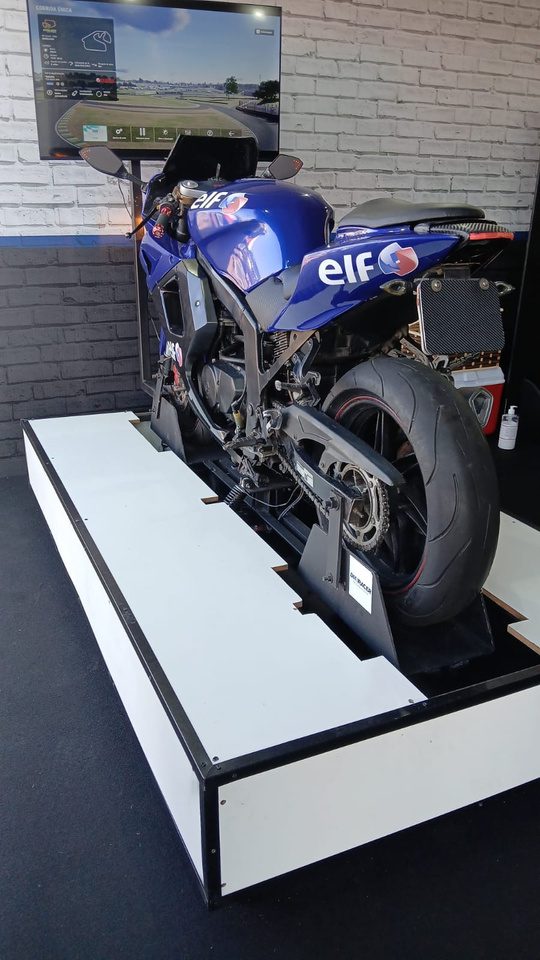
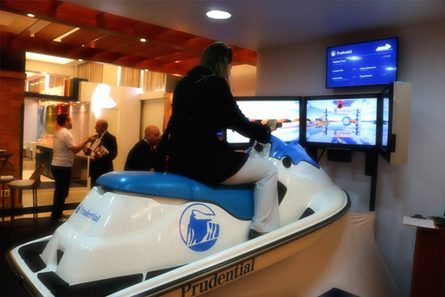
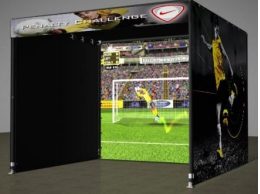
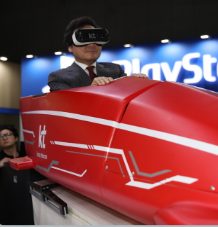
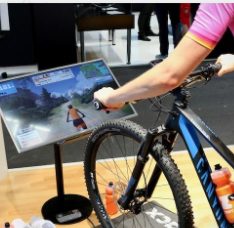
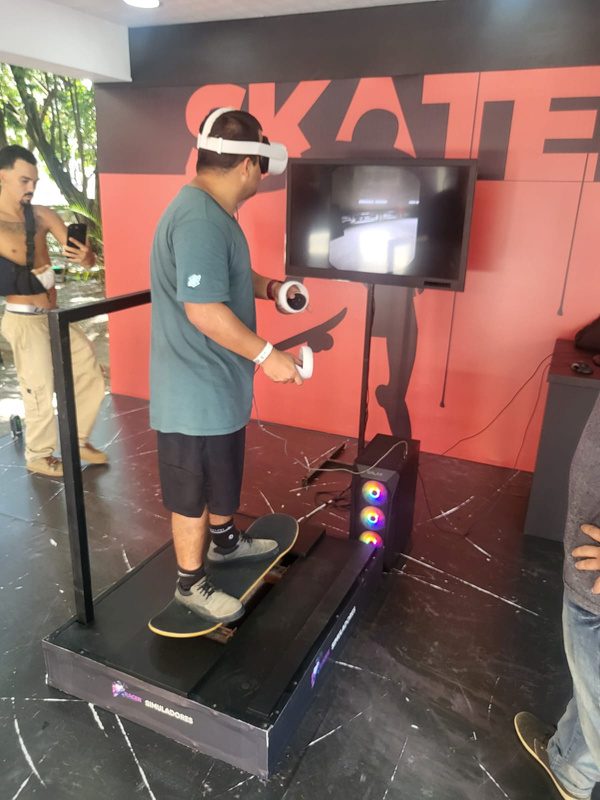
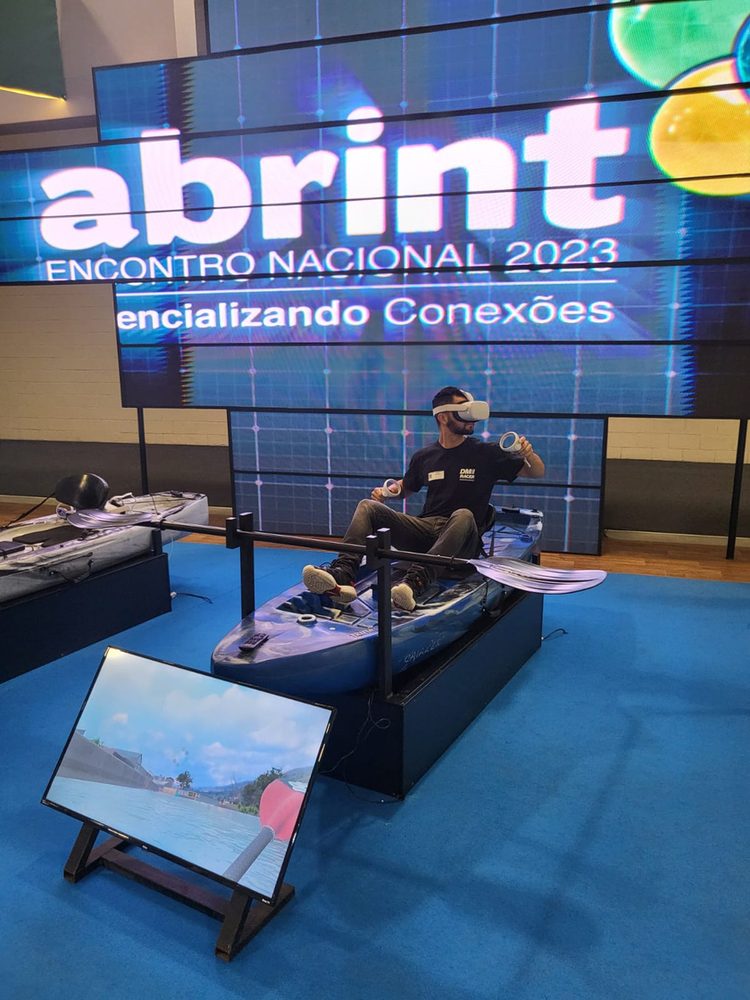
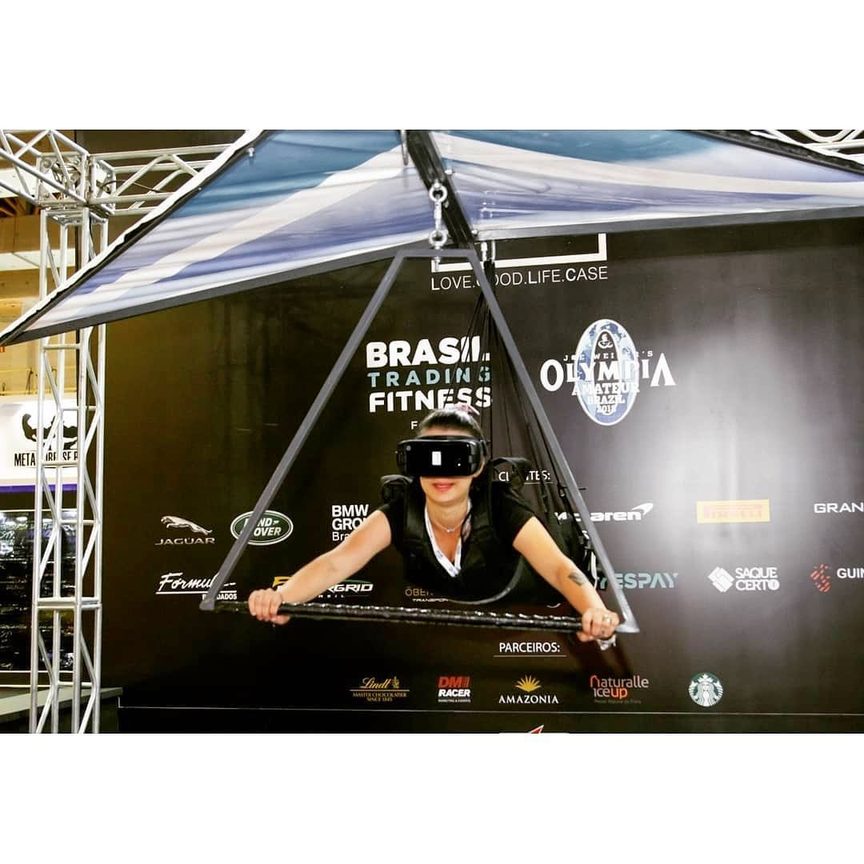
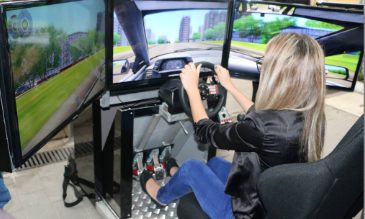
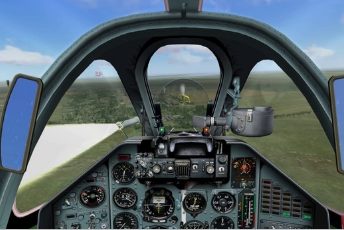
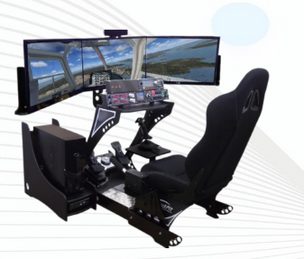
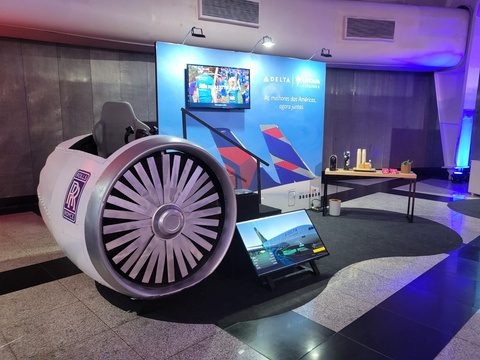
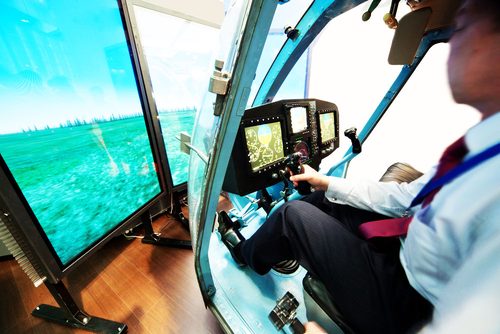
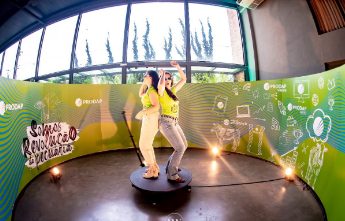
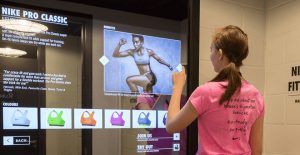
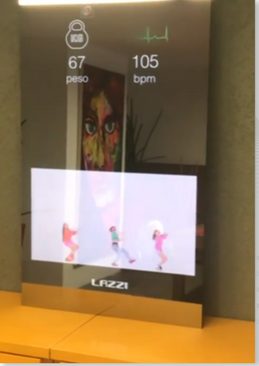
Unlike a conventional video, which presents the same content to everyone, interactive media allows each participant to make choices and follow their own path. Visitors can select a product on a screen, take part in a quiz, operate a simulator, view an animation, create an avatar, or access specific information according to their interests.
This characteristic makes communication more active. Rather than receiving a large volume of information all at once, participants discover content as they interact. This can make complex messages easier to understand, particularly at trade shows, product launches, conferences, training sessions, and educational initiatives.
Which events can benefit from interactive experiences?
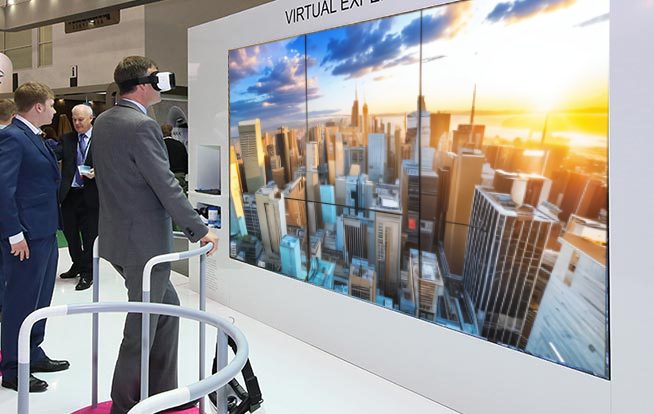
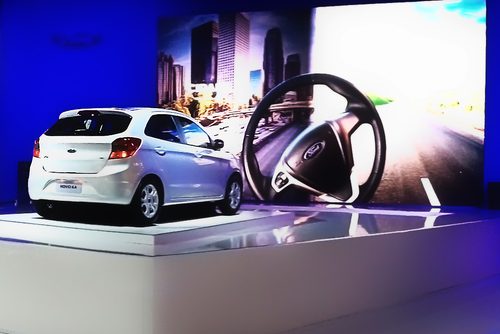
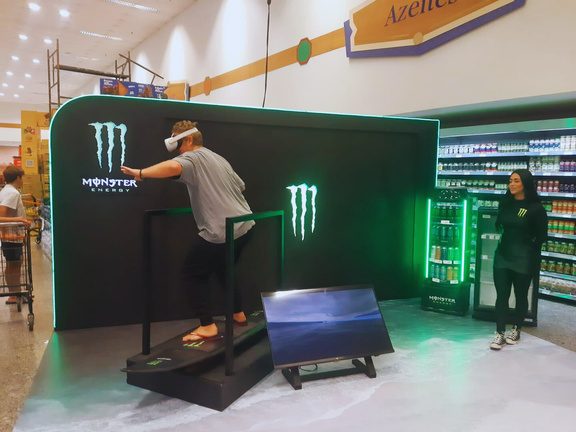
Solutions can be adapted to different event formats. At trade shows and exhibitions, they help booths stand out in environments where many competitors are vying for visitors' attention. At conferences, they can present content, maps, schedules, speakers, and institutional information in an organized manner.
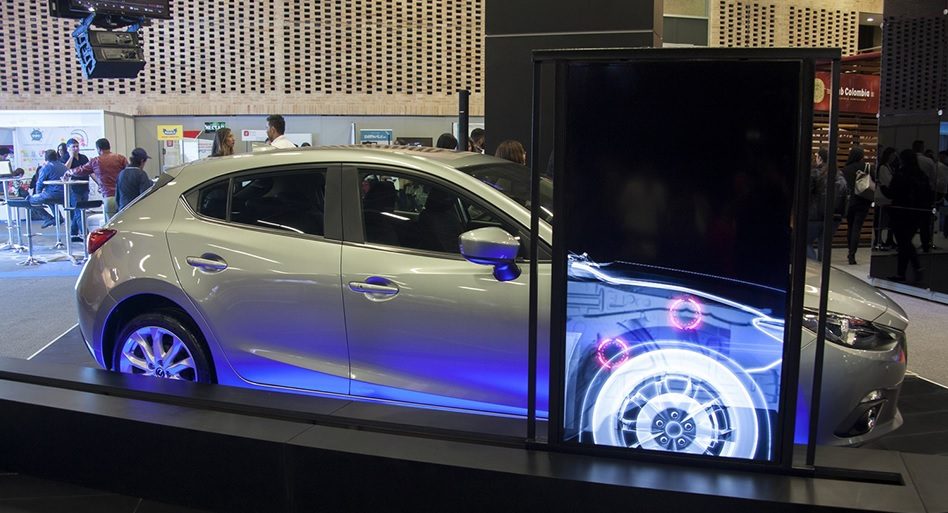
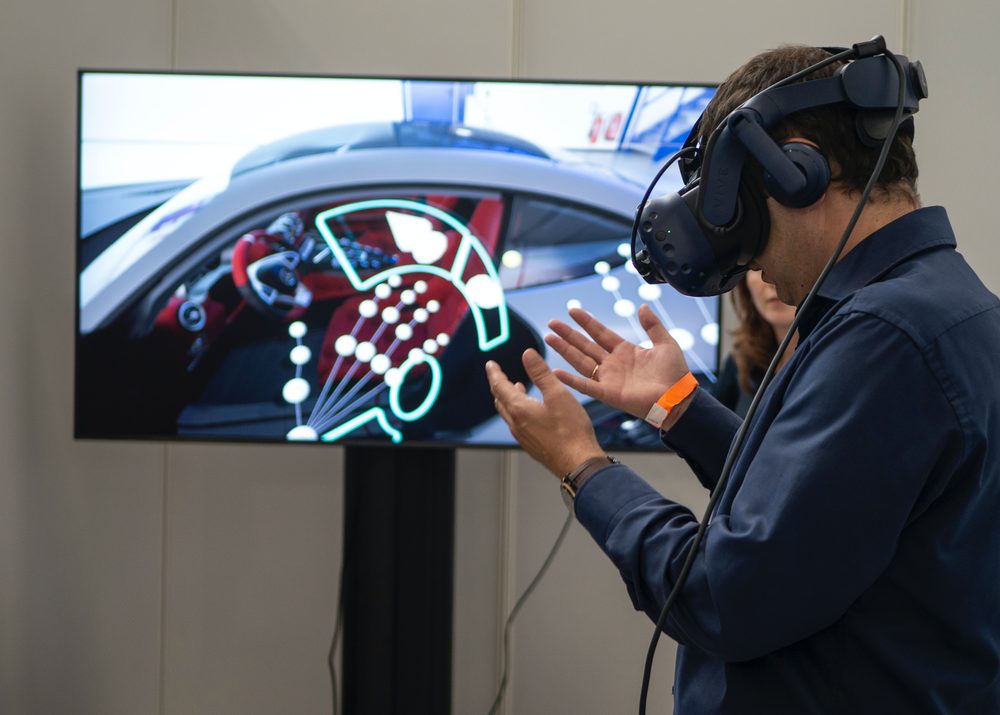
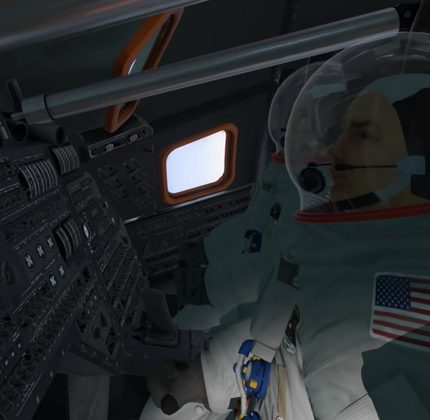
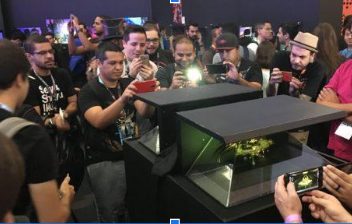
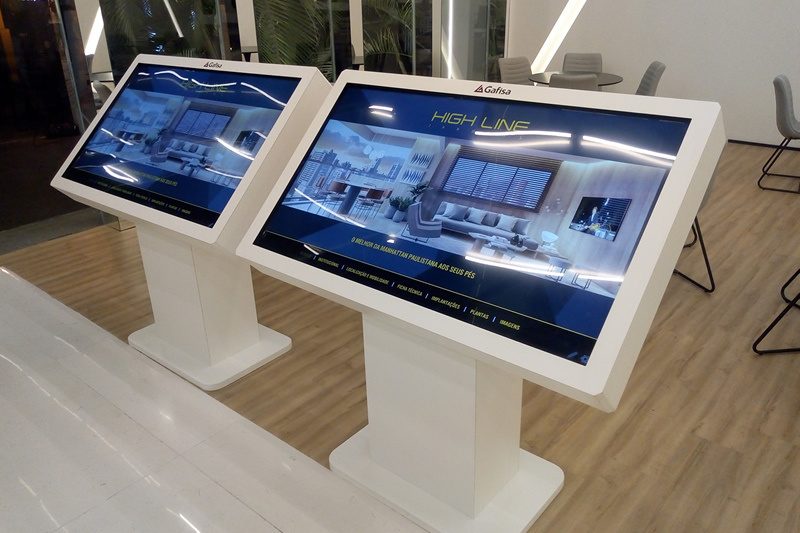
At product launches, digital resources allow features that are not always physically visible to be demonstrated. A manufacturer can showcase the internal workings of a machine, for example, while a property developer can offer a virtual tour of a development that has not yet been completed.
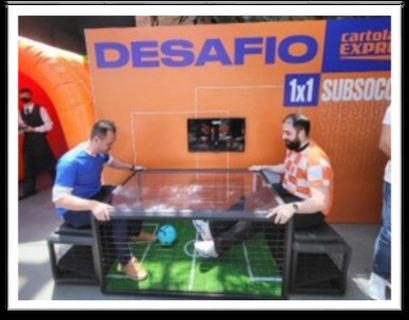
Corporate conventions can use games and challenges to reinforce values, goals, or key information. Internal marketing initiatives can transform training sessions and internal campaigns into more participatory activities. Museums, schools, cultural centers, shopping malls, and sporting events can also employ interactivity to inform, guide, and entertain.
Interactive media for corporate events does not need to be reserved for large-scale productions. There are options for different spaces, audiences, and levels of complexity. What matters most is choosing an experience that suits the context of the initiative.
How to choose the ideal interactive media for an event?
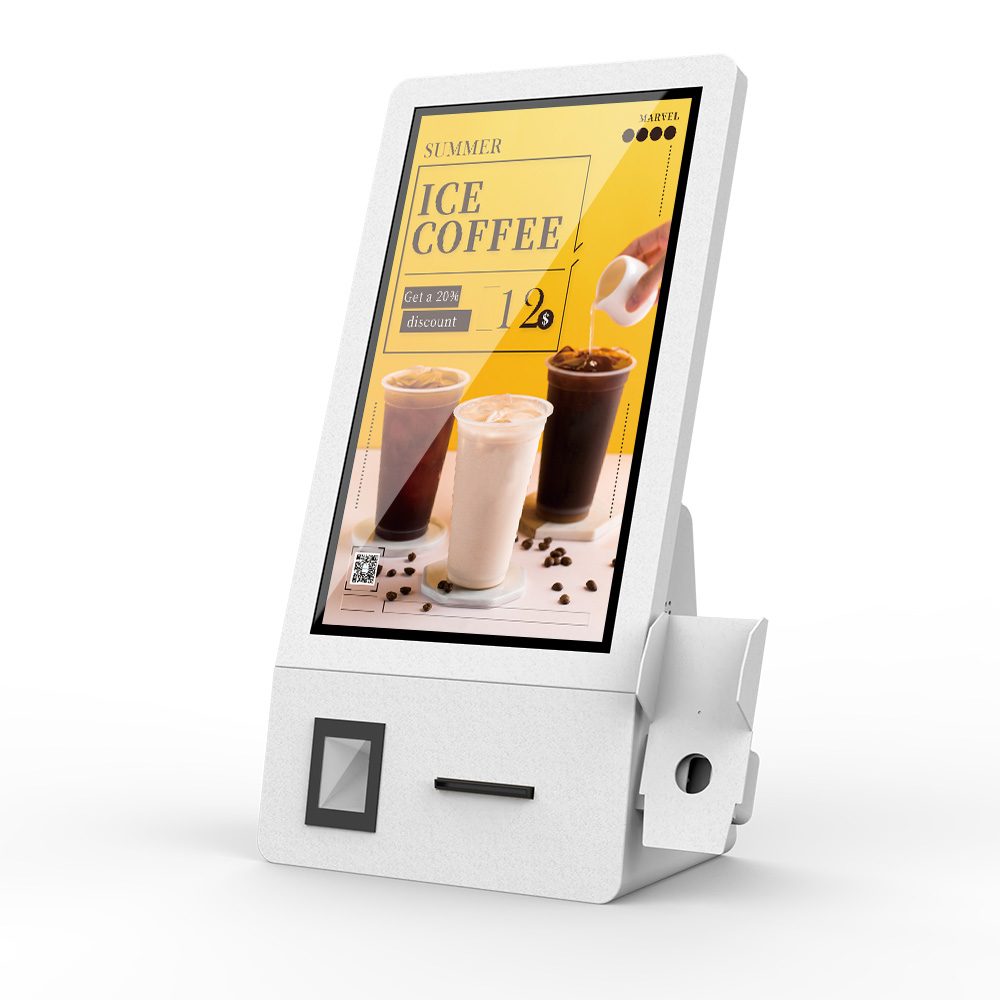
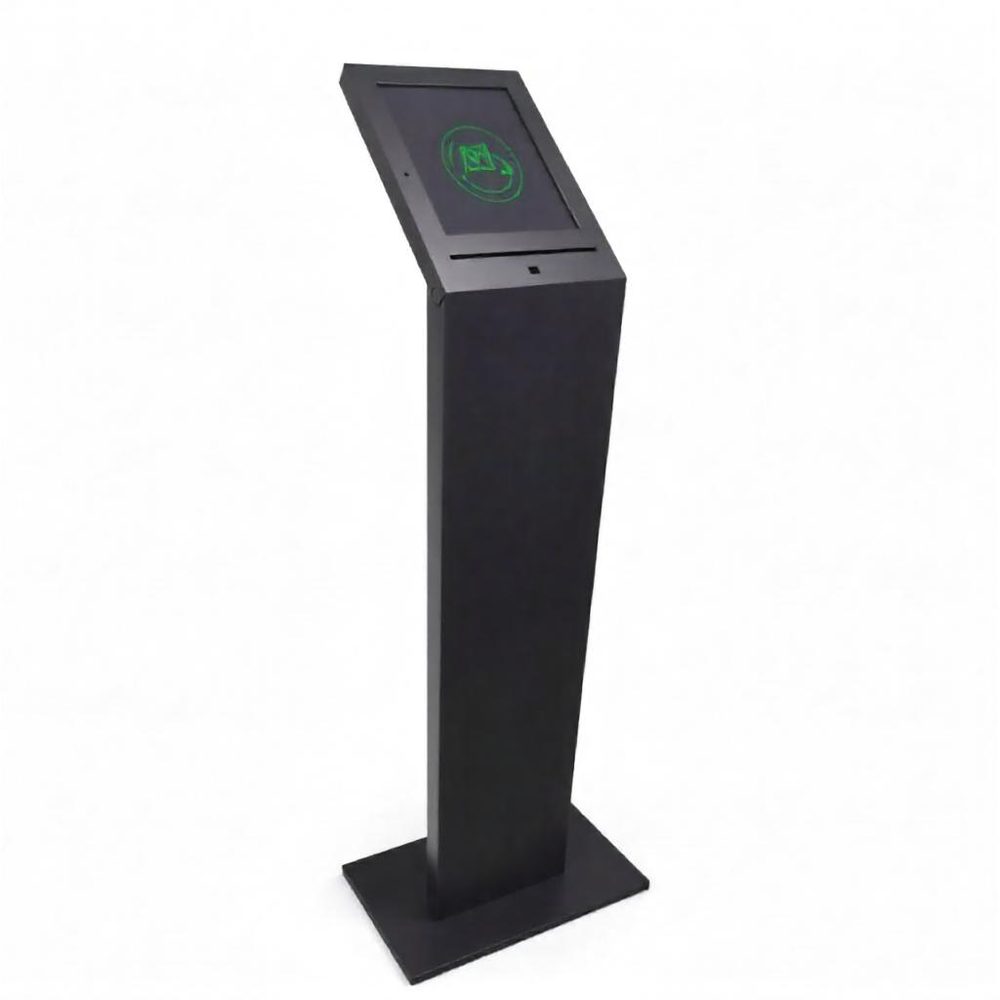
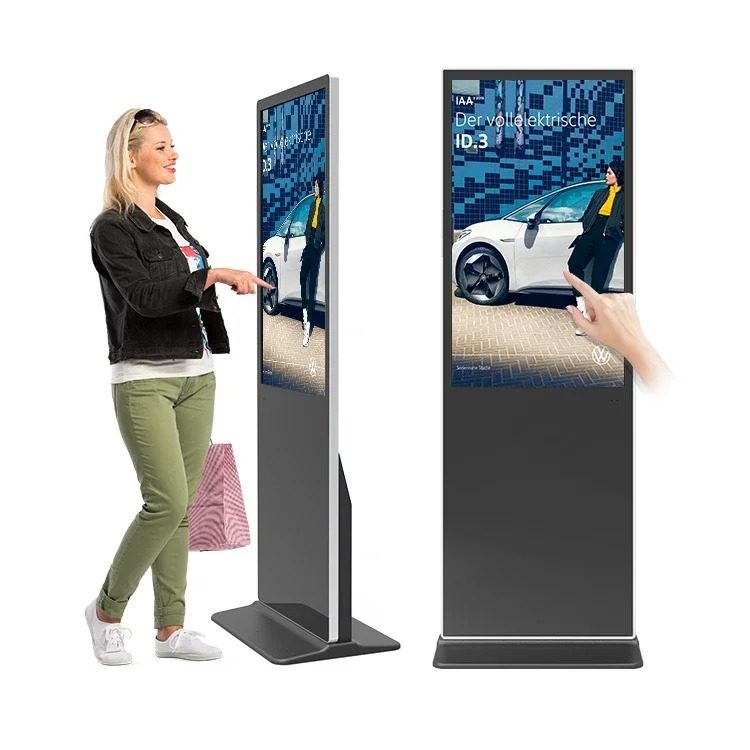
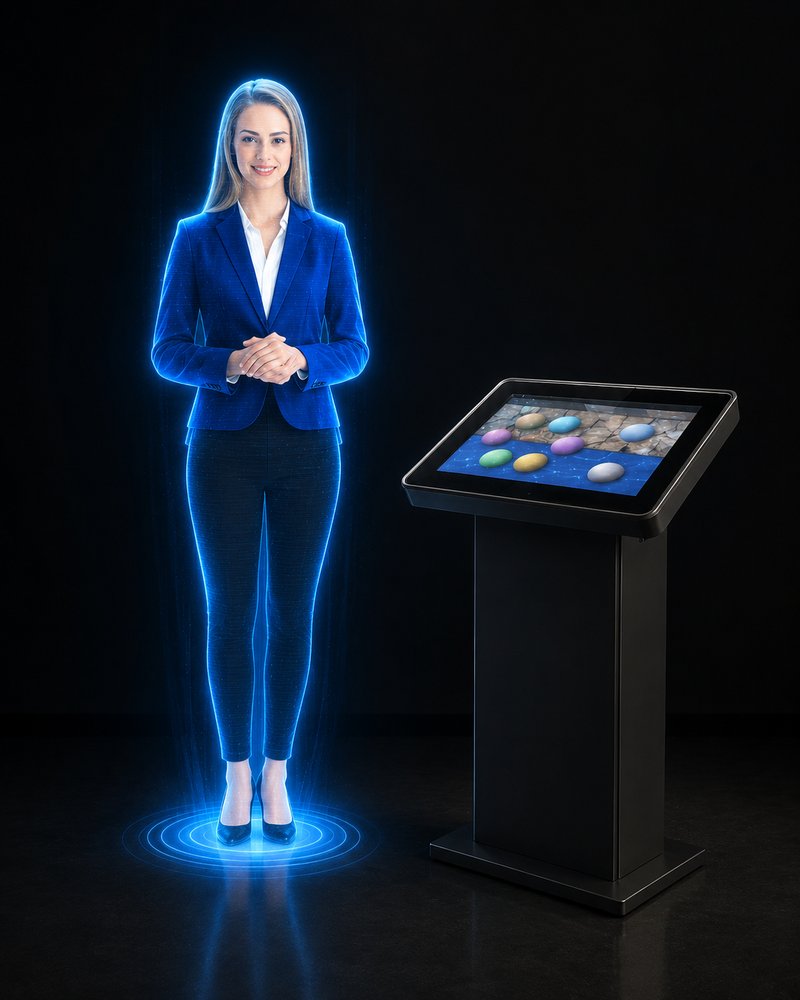
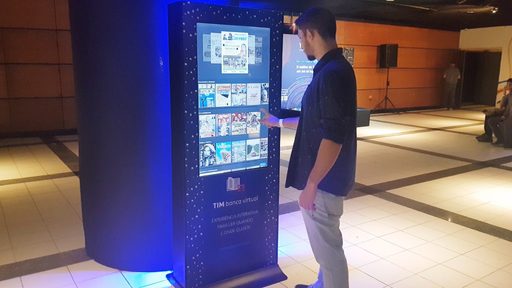
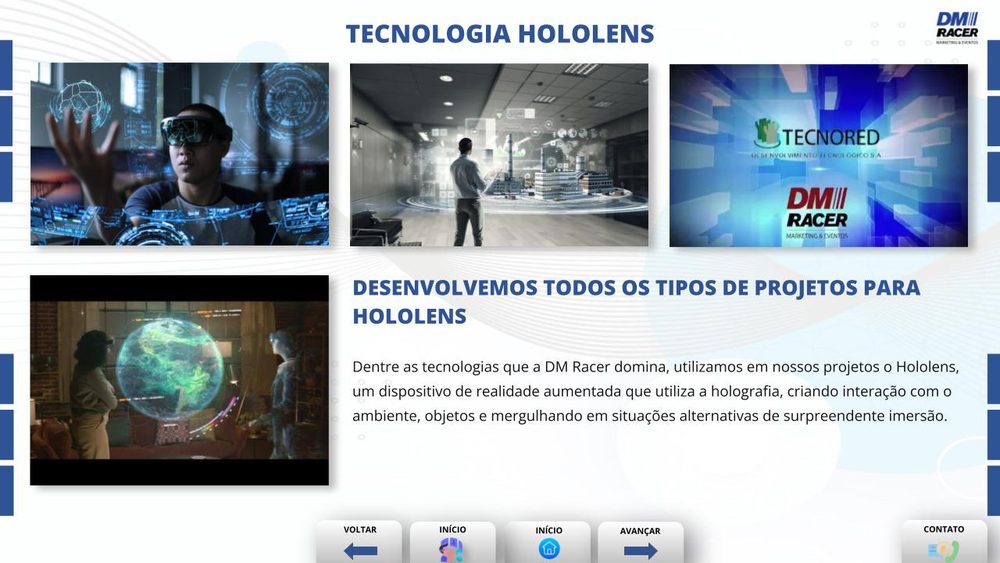
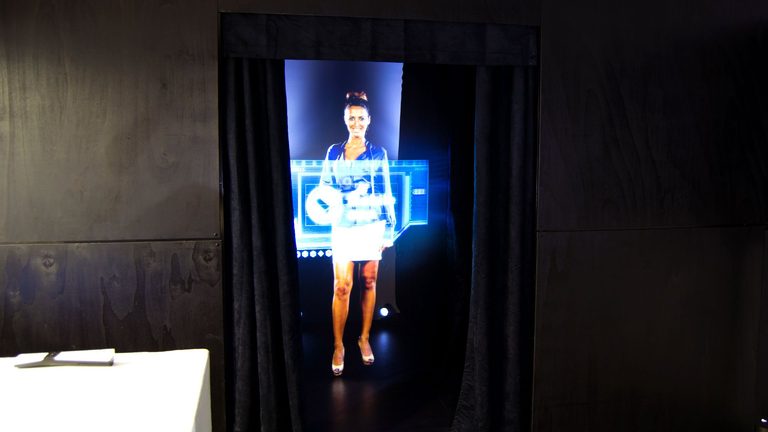
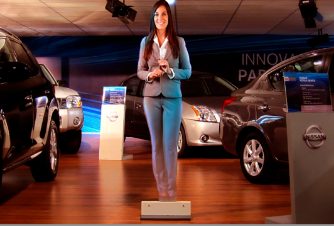
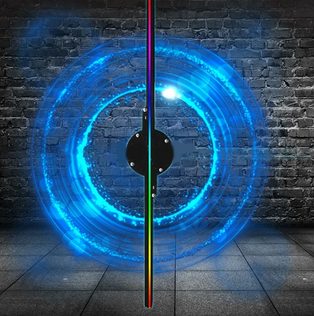
The choice should begin with the objective, not the equipment. Before deciding between virtual reality, touch kiosks, simulators, holograms, or digital games, it is important to answer one question: what should visitors do, understand, or remember after the experience?
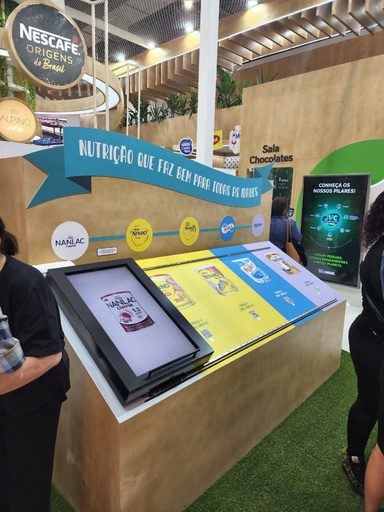
If the goal is to draw people to the booth, a visually engaging, competitive, or entertaining activity can spark curiosity and generate foot traffic. When the priority is to explain a product, an interactive presentation can organize information by topic and allow visitors to explore details at their own pace.
To capture contacts, the experience can include registration, a quiz, a leaderboard, photo submission, or content delivery by email. If the intention is to educate, the project can present challenges, simulations, and practical scenarios that support understanding of the subject matter.
Consideration should also be given to the size of the space, the expected number of participants, the average interaction time, electrical infrastructure, internet access, lighting, noise levels, and the need for staff support. An attraction that works excellently in a large venue may not be suitable for a narrow corridor or an event with heavy foot traffic.
How to measure the results of an interactive activation?
Measurement should be planned before the event. The chosen metrics must be tied to the objective of the initiative.
Among the indicators that can be tracked are the number of participants, the quantity of interactions, average usage time, completion rate, contacts captured, most-accessed content, quiz results, and number of shares.
It is also possible to monitor booth traffic flow, peak times, and the attractions that generated the most interest. When integrated with digital tools, data can be organized into reports for subsequent analysis.
The numbers, however, must be interpreted in context. An experience designed for meetings with buyers may generate few interactions but highly qualified contacts. Another activity, created to increase brand visibility, may reach many people without requiring registration.
For this reason, the return on an interactive media initiative should not be evaluated by a single metric. It is necessary to consider reach, quality of interactions, business opportunities, audience learning, and brand perception.
What to consider when planning the experience?
A good interactive media project begins well in advance. Content, equipment, visual customization, transportation, assembly, testing, and operation all need to be part of the schedule.
The experience should be tested by people who were not involved in its creation. This helps determine whether commands are clear, whether text can be read quickly, and whether the time required to complete the activity is appropriate for the event's flow.
It is also advisable to plan contingencies for unexpected situations, such as internet instability, changes in lighting, or adjustments to equipment placement. Wherever possible, essential content should function locally, without relying exclusively on an external connection.
Accessibility deserves attention. Font size, contrast, screen height, captions, visual instructions, and interaction options can allow more people to participate. An inclusive experience improves engagement and extends the reach of the initiative.
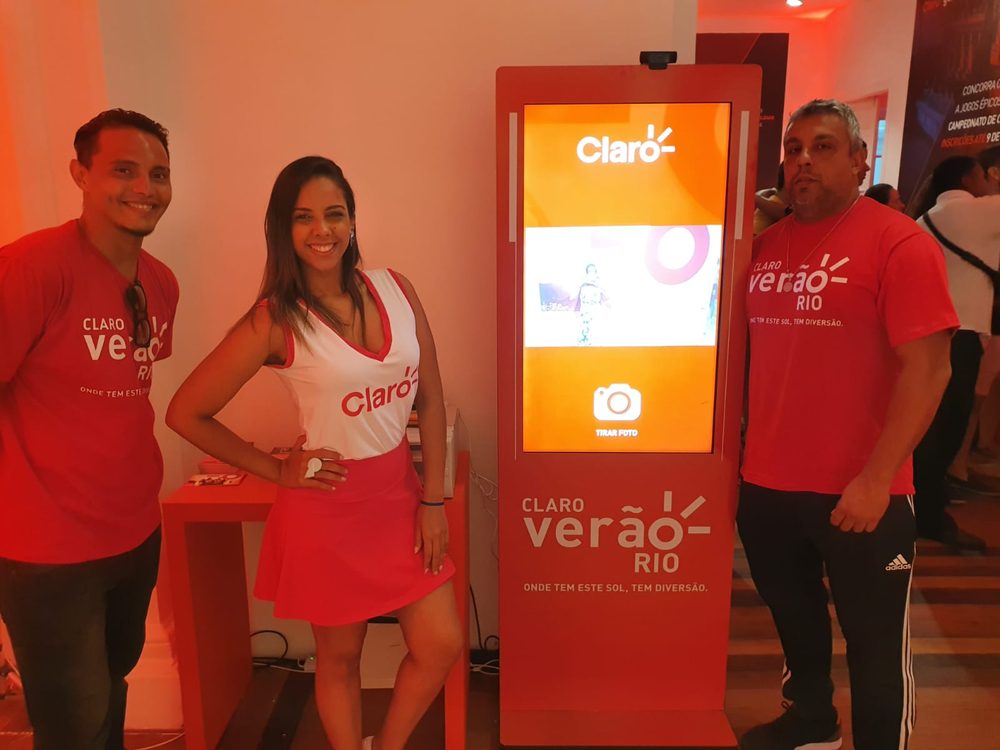
Another important point is the presence of a prepared team. Even when the technology is intuitive, a staff member can invite the public, briefly explain the activity, manage the queue, and assist people with questions.
Common mistakes when using technology at events
One of the most common mistakes is choosing an attraction without defining its purpose. A visually impressive technology may draw attention, but produce few results when it has no connection to the company's message.
Another issue is creating an activity that is too lengthy. At events with heavy foot traffic, time-consuming experiences can generate queues that are difficult to manage. The ideal duration depends on the objective, but the activity must be understood quickly.
An excess of information also reduces effectiveness. Screens filled with text, complex menus, and lengthy instructions hinder participation. The interface should prioritize simple commands, short messages, and immediate feedback.
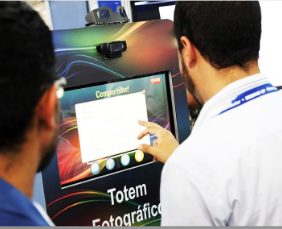
The absence of a closing action is another missed opportunity. After the interaction, visitors can be guided to learn about a product, speak with a specialist, download content, access a demonstration, or take their result to their phone. This continuity connects the experience to the broader event strategy.
Frequently asked questions about interactive media for events
Can the experience be customized for each brand?
Yes. The visual identity, content, questions, scenarios, games, and participant journey can all be tailored to the campaign objective and the audience profile.
Does interactive media require internet access?
It depends on the solution. Some experiences can run locally, while others require a connection to sync data, access content, or transmit information. This requirement should be verified during planning.
How much space is needed?
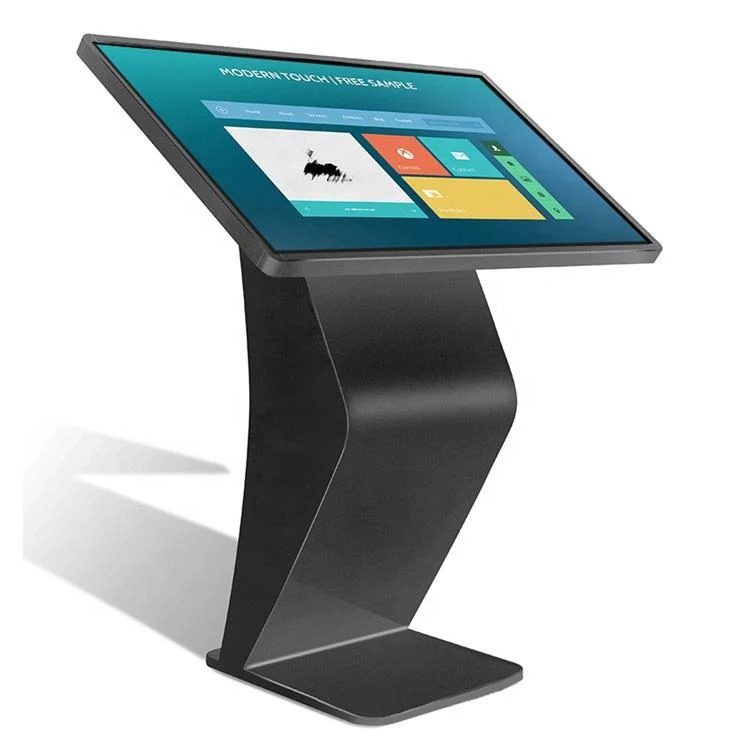
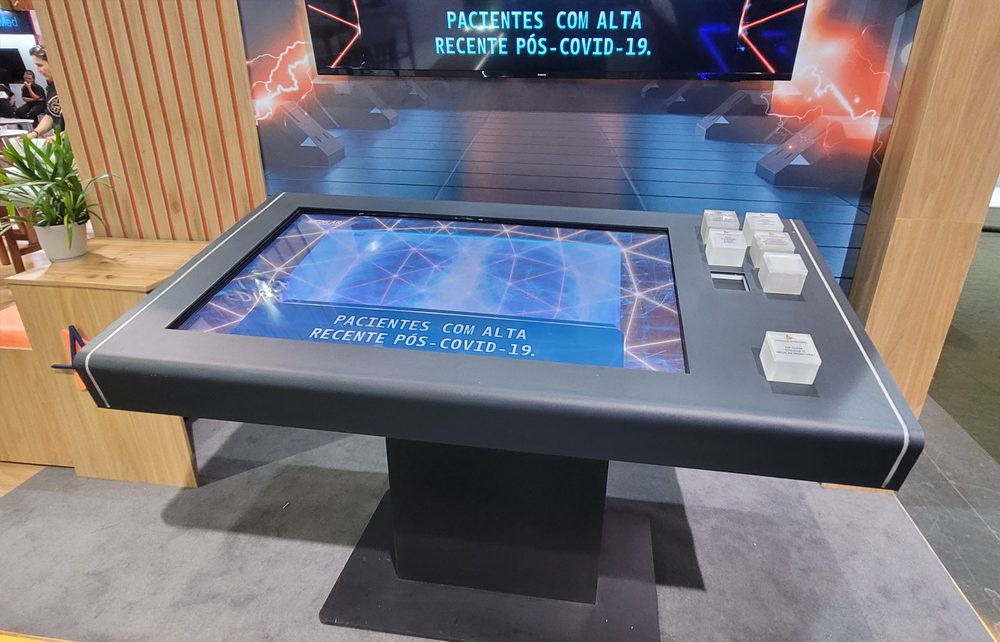
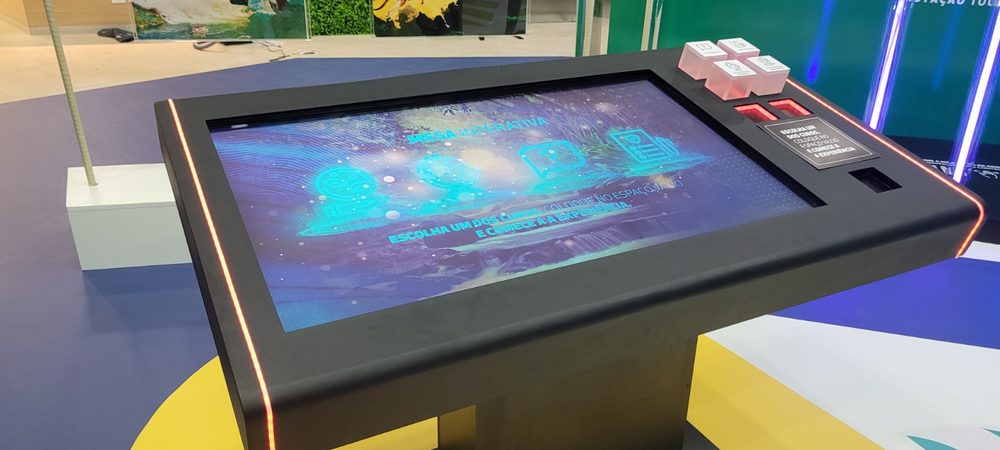
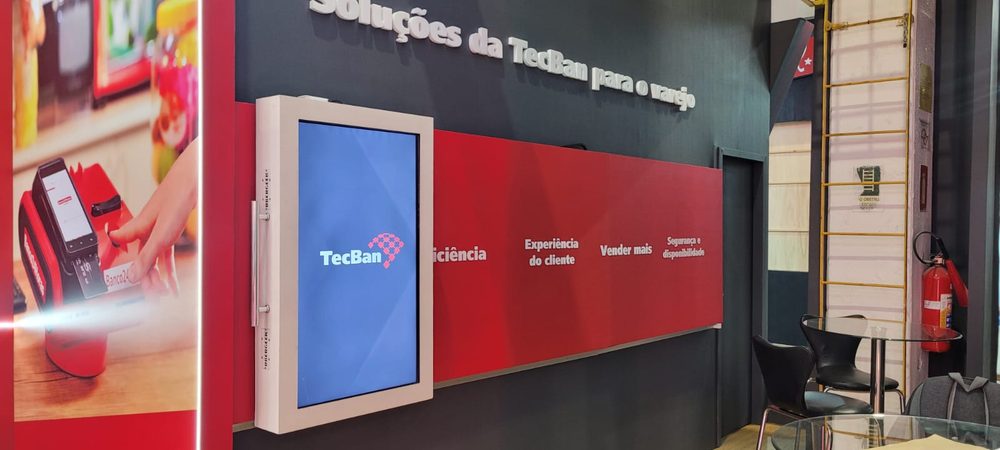
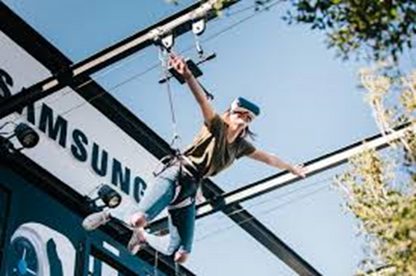
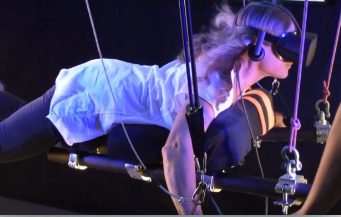
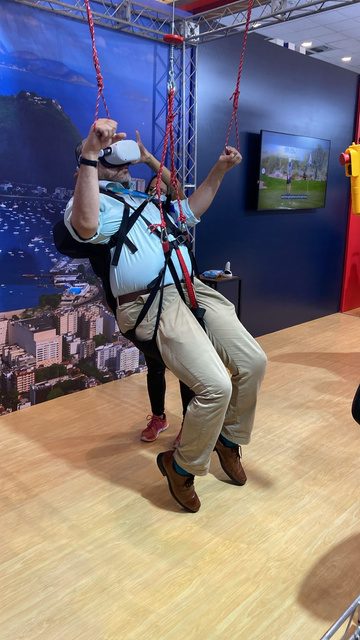
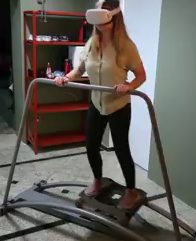
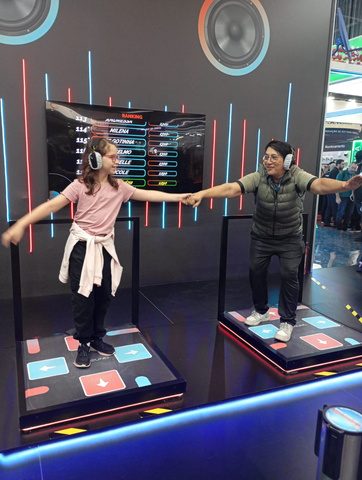
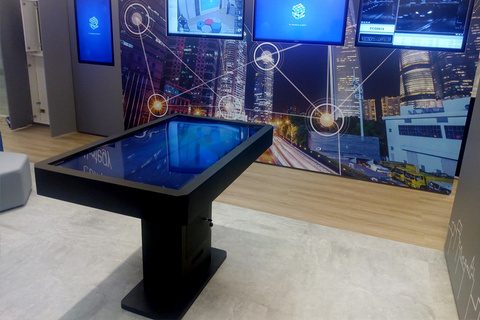
Space requirements vary depending on the equipment and the activity. Touch kiosks and screens can occupy smaller areas, while simulators and movement-based experiences require a clear zone for safe operation and circulation.
Can interactive media be used at touring events?
Yes. The project can be designed for transportation, assembly, and use across different cities. In such cases, it is important to consider logistics, equipment protection, installation time, and technical support.
Can the experience capture participant contact information?
Yes. Registration can be integrated into games, quizzes, photo activities, leaderboards, and presentations, always with clear disclosure of how the data will be used and in compliance with applicable legislation.
How can long queues be avoided?
It is possible to reduce the duration of each session, use multiple stations, introduce a pre-registration step, or design an experience that is also engaging for those waiting and watching.
Does interactive media work for B2B events?
Yes. At corporate events, it can present complex products, demonstrate processes, qualify visitors, support meetings, and record the topics that generated the greatest interest.
Technology with purpose creates memorable experiences
The best interactive media is not necessarily the most complex. It is the kind that helps visitors understand a message, take part in a story, or experience something that would be difficult to convey through conventional means.
When there is a clear objective, technology ceases to be merely an attraction and becomes an integral part of the event strategy. It can bring audiences closer, facilitate explanations, generate data, extend the campaign's reach, and create lasting associations with the brand.
Planning the complete journey — from the first point of contact to the action taken after the experience — is what transforms curiosity into engagement and interaction into results.