

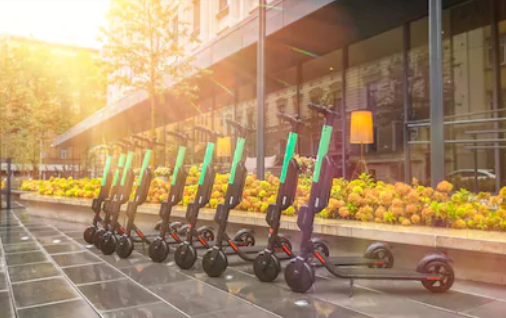
Since electric scooters first appeared in Brazil in 2018, many questions have been raised. “Does this business model work?”, “Will the vehicles be vandalized or stolen?”, “Where can they be ridden?”, “What regulations should apply?” — these are just a few of them.
Regulation, for example, was a heavily debated topic throughout 2019. At certain points in São Paulo, helmet use was mandatory. Then it was not. In Rio de Janeiro, there was even talk of requiring riders to pass a Detran exam to operate the vehicles, which can reach speeds of up to 30 km/h depending on the model.
Speed and safety are key issues in this market, as users are exposed to steep streets, potholes, and adverse weather conditions that can cause accidents — whether in Brazil or elsewhere in the world. Since April 2017, hospitals in the United States have recorded more than 1,500 accidents involving electric scooters.

Brazilian companies, citizens, and governments went through an adjustment period — and now a shift is taking place in this market. This month, two major players in the sector announced the reduction or discontinuation of their operations in the country.
Grow, the merger of Grin and Yellow, announced this month that it will remove its electric scooters from 14 cities, continuing to operate only in São Paulo, Rio de Janeiro, and Curitiba. The company made this decision in order to operate in a “stable, efficient, and safe” manner. The change is accompanied by the layoff of 600 employees, who will receive support from an outplacement firm. In addition to Brazil, Grow operates in 6 Latin American countries.
Also in January, Lime announced it is leaving Brazil after six months in the market. The company, which operates in 120 cities worldwide, pulled out of São Paulo, Rio de Janeiro, and ten other districts. In its announcement, the company stated it had decided to exit cities where “micromobility has evolved more slowly.”
Meanwhile, Uber decided to enter this market. The company began offering the vehicles in Santos — users can rent them through the same ride-hailing app — and received authorization to operate in São Paulo this past Friday (24th). “Will electric scooters leave Brazil?” For now, no. But this market is definitively entering a new phase.
And in your view, what does the future hold for electric scooters in Brazil?