

In late 2024, at a closed-door talk, entrepreneur Joe Betts-LaCroix made a bold prediction: his company, Retro Biosciences — which received a $180 million seed investment from OpenAI's Sam Altman himself — would go after the hardest target in longevity: extending healthy human lifespan by ten years. Sixteen months later, much of what he described has become reality, and faster than expected.
The thesis: aging is a problem of old cells
Retro's bet starts from a simple yet audacious idea: aging is, to a large extent, the accumulation of old cells — and the solution would be to replace them with young ones. The technique behind this is cellular reprogramming: taking adult cells, reverting them to a youthful state using the so-called Yamanaka factors (a Nobel Prize-winning discovery), then guiding them back into the cell type you need. The result: biologically younger cells.
The turning point: when AI enters the lab
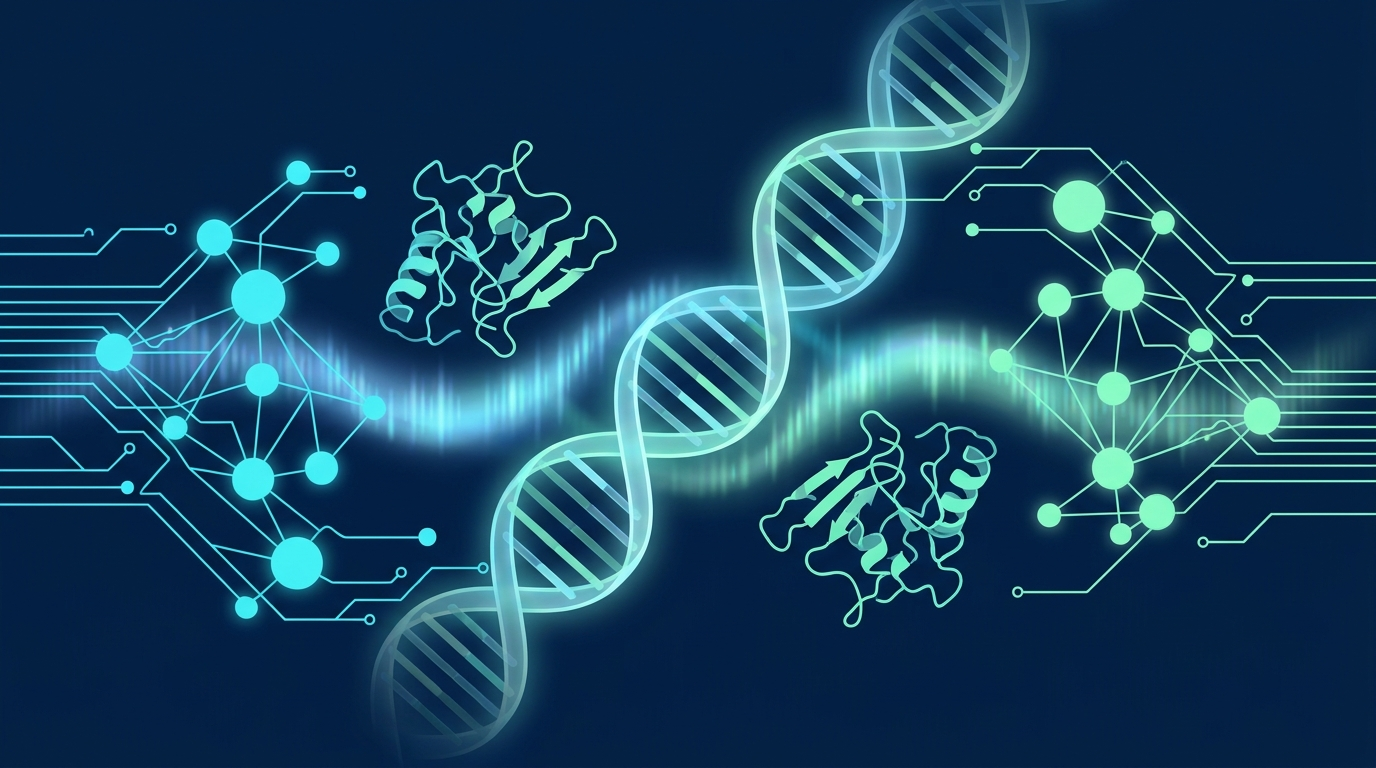
The most interesting part for anyone following technology is what happened when artificial intelligence joined the effort. In partnership with OpenAI, Retro used an AI model trained on protein sequences to redesign the Yamanaka factors. The gain was striking: the AI-created proteins proved more than 50 times more effective than the originals at reprogramming cells. Over 30% of the generated variants outperformed the natural versions — an extremely high hit rate for a field where traditional engineering tests thousands of mutations to achieve modest improvements.
It's a clear sign of a bigger shift: AI is no longer just a text tool — it now designs solutions in enormously complex domains such as biology. As Betts-LaCroix himself put it, at some point we will become “spectators to science” as it advances.
From slide to patient
None of this stayed on paper. In December 2025, Retro dosed its first human patient in a Phase 1 clinical trial conducted in Australia. The candidate, named RTR242, was designed to restore a cellular “cleanup” system that fails with age — with Alzheimer's as the first target disease.
Why this matters for your business
Retro's case is a snapshot of where technology is heading: AI is accelerating discoveries that once would have taken decades. If this is already happening in a field as hard as reversing aging, imagine the impact on a company's everyday tasks — customer service, marketing, content, data analysis. The same wave rewriting medicine can, on a smaller scale, transform the way your business operates.
Content based on Peter Diamandis's newsletter. Read the original material and follow his work at diamandis.com.