
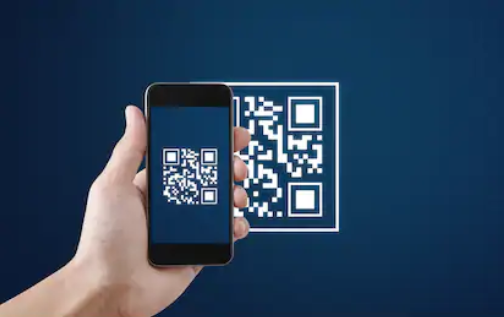
This Wednesday (19th), the Central Bank launched PIX, a system that will manage instant payments in Brazil. The novelty is still little known, but has the potential to completely change the way we relate to money. Instead of cards, QR Codes take center stage; instead of bank transfers, payments made with nothing more than a keyword.
Instant payments earn that label for a reason: they can be made any day of the week, 24 hours a day, with settlement completed in seconds. It will not matter which bank account the sender or recipient holds — they simply need a QR Code or a keyword such as their full name, CPF, or mobile number. The Central Bank becomes the intermediary for all transactions.
This may seem like a distant reality, but the expectation is that the first wave of instant payment services will be available as early as November of this year. Initially, QR Codes will be available, with contactless payments and other methods expected to roll out over time.
Beyond the speed of transactions, the innovation also promises to stand out for the accessibility it provides. The plan is for QR Codes to be readable even on the most basic mobile phones and, in the future, even without an internet connection. By offering a lower transaction cost, instant payments will be a key tool in changing the landscape for the 45 million unbanked people in Brazil.
It will not only be banks, fintechs, and the financial market that will be affected by these changes. Instant payment promises to transform people's everyday lives — much as WeChat and AliPay did in China — impacting companies across other sectors, such as retail. "Payments will become so much more accessible that if a major retailer opens a payment institution, it will no longer receive money into a bank account, but into its own account," said Carlos Netto, founder and CEO of Matera, a startup that develops financial solutions for banks.
Source: StartSe.